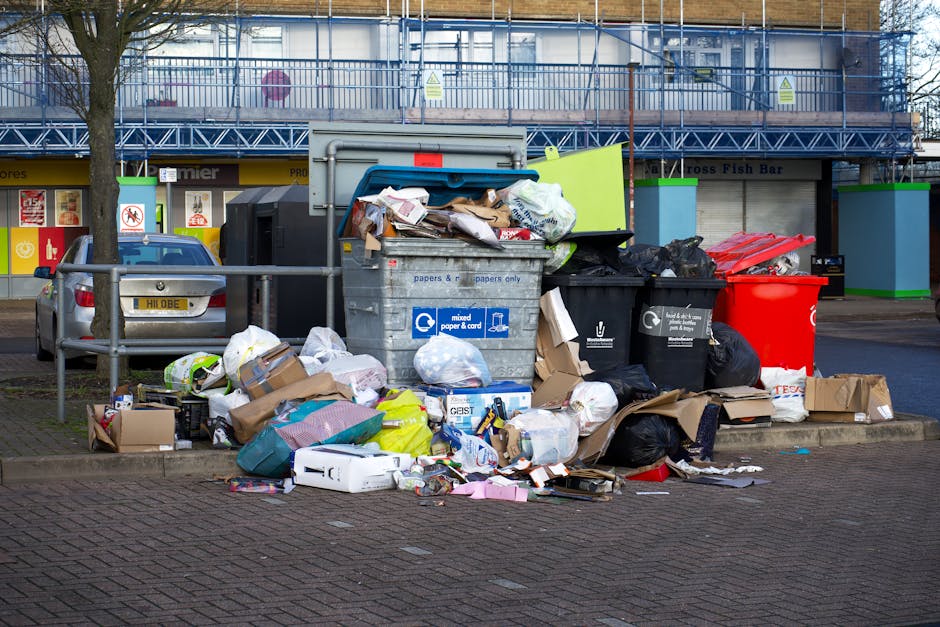
Cassiobury Park bulky rubbish disposal options in North Watford: a practical local guide
If you are trying to clear a sofa, old wardrobes, broken garden bits, or the mountain of "I'll deal with that later" items that somehow gathers near the garage, you are in the right place. Cassiobury Park bulky rubbish disposal options in North Watford can feel straightforward on the surface, but in reality there are a few choices, a few pitfalls, and a few things worth knowing before you start moving heavy stuff around on a damp Tuesday morning. Truth be told, the best option usually depends on how much you have, what it is, and how quickly you need it gone.
This guide breaks the process down in plain English. You will learn the main disposal routes, how each one works, who they suit, what to watch out for, and how to choose a sensible, compliant solution without overpaying or creating extra hassle. If you want a cleaner home, a tidier rental property, or a smoother move, let's make the decision easier.
Why Cassiobury Park bulky rubbish disposal options in North Watford Matters
Bulky waste is not the same as everyday bin rubbish. A mattress, chest of drawers, broken desk, old TV, or dismantled shed panels takes space, is awkward to lift, and often needs a more considered route than the weekly collection. In a residential area like North Watford, that matters because space is tight, pavements are busy, and nobody wants a pile of waste sitting around for days.
Near Cassiobury Park, homes often have a mix of older furniture, family clutter, garden waste, and the sort of items that become too awkward to shift once they are removed from service. Maybe you are having building work done, maybe you are between tenants, or maybe you just finally reached the point where the spare room has become a storage unit. We have all seen that room. Door half open, one wobble away from a full avalanche.
Choosing the right bulky rubbish disposal option is about more than convenience. It affects cost, time, physical effort, and whether the waste is handled responsibly. A well-planned disposal choice can also reduce the chances of accidental fly-tipping, missed collections, or damage to communal areas. For many households and landlords, that peace of mind is worth a lot.
Key takeaway: The best bulky waste solution is usually the one that matches the size, urgency, and type of items you need removed, while keeping transport, labour, and disposal rules sensible.
How Cassiobury Park bulky rubbish disposal options in North Watford Works
In practical terms, bulky rubbish disposal usually follows one of five routes: council collection, household waste recycling centre visits, skip hire, man and van clearance, or a mix of donation and private removal. Each has its place. The trick is understanding where your job sits.
If you are only clearing a few items, a collection or self-delivery may be enough. If you are clearing a whole room, loft, garage, or office, a more flexible service is often better. Some people try to piece together three or four methods to save money. Sometimes that works. Sometimes it turns into three trips, a sore back, and a very messy driveway.
For broader home clear-outs, it can help to start with the service type rather than the item type. That is especially true if you are comparing house clearance services in Watford with a smaller single-item removal. The right route depends on volume, access, and whether you need lifting help.
Here is the rough flow most people follow:
- Identify what needs to go and separate bulky items from reusable or recyclable pieces.
- Check whether anything can be donated, sold, or dismantled.
- Choose the disposal route that fits the quantity and urgency.
- Confirm access details such as parking, stairs, lift access, or narrow hallways.
- Arrange removal and make sure the waste goes to the right facility or transfer point.
The biggest difference between options is who does the lifting and where the waste ends up. That one detail often decides whether a job is quick and tidy, or awkward and stressful.
Key Benefits and Practical Advantages
Good bulky waste disposal does more than clear floor space. It can simplify a move, make a property safer, and reduce the mental clutter that comes with living around things you no longer use. Quite a few people underestimate the emotional lift of a proper clear-out until the last chair is gone and the room suddenly looks bigger.
- Less physical strain: Large items are heavy, awkward, and often harder to manoeuvre than they look.
- Faster turnaround: The right service can remove items in one visit rather than a weekend of trips.
- Cleaner presentation: Useful for landlords, sellers, and anyone preparing a property for photos or viewings.
- Better recycling outcomes: Many bulky items contain reusable materials if they are sorted properly.
- Lower stress: You avoid the uncertainty of where to take items and whether they will be accepted.
There is also a practical budgeting angle. A cheap option can become expensive if it costs you fuel, parking fees, labour, or several hours you did not really have. By contrast, a slightly higher upfront cost may save time and reduce the chance of repeat handling. In real life, that balance matters.
If your project involves mixed waste from a refurbishment or room change, it can also help to see how a wider rubbish removal service compares with a one-off collection. Sometimes the broader service ends up being simpler and oddly enough, better value.
Who This Is For and When It Makes Sense
This topic matters to a wide range of people in and around North Watford. It is not just for homeowners with an old sofa. The common use cases are broader than that.
Typical situations
- Households: Clearing broken furniture, old mattresses, toys, white goods, or garage clutter.
- Landlords and letting agents: Removing abandoned items after a tenancy ends.
- Home movers: Getting rid of items not worth transporting to the new place.
- Garden projects: Disposing of timber, broken fencing, plant pots, and outdoor furniture.
- Small businesses: Clearing office desks, chairs, shelving, and general bulky equipment.
It also makes sense when access is awkward. If you live in a flat with stairs, a narrow hallway, or limited parking near the property, bulky waste removal can be harder than it first appears. That is where a service with collection support can save a lot of faff.
And if you are dealing with a mixed household clear-out, it can be helpful to think about waste in stages. Furniture first, then general clutter, then anything reusable. A local office clearance in Watford page may also be useful if your bulky items are from a workspace rather than a home.
Step-by-Step Guidance
Here is a simple way to approach Cassiobury Park bulky rubbish disposal options in North Watford without overcomplicating it. Keep it calm. Keep it practical. That alone solves half the problem.
1. Make a clear item list
Write down exactly what you need to remove. Include quantity and size where possible. A single three-seater sofa is a very different job from three wardrobes, a mattress, and two armchairs.
2. Separate items into categories
Split things into reusable, recyclable, and true waste. A good rule of thumb: if an item is safe, complete, and still usable, consider passing it on before disposing of it. One person's tired dining chair can still be another person's useful spare.
3. Check access and lifting needs
Think about stairs, parking distance, locked gates, and whether any items need dismantling. If the route out of the property is tight, measure before you move things around. It sounds obvious, but people skip this step all the time.
4. Choose the disposal route
Match the job to the method. Small loads might suit a local drop-off. Medium to large loads are often easier with a collection service. If you need speed and lifting help, a dedicated clearance option usually makes more sense than trying to do it yourself.
5. Confirm what happens to the waste
Ask whether items are reused, recycled, or taken to the correct disposal facility. Responsible handling matters, especially if you want to avoid being caught out by illegal dumping or poor practice.
6. Prepare the items properly
Remove loose contents, empty drawers, disconnect plug-in equipment safely, and keep access routes clear. If items are being collected from outdoors, try to keep them dry and protected if possible. Wet sofas are nobody's favourite thing. Nobody.
7. Follow up with a final sweep
Once the bulky waste is gone, check corners, skirting boards, sheds, under beds, and behind doors. Small leftovers have a habit of hiding until the next day, when you spot them while making tea.
Expert Tips for Better Results
A few small decisions can make bulky rubbish disposal much smoother. These are the sorts of details that save time and prevent awkward surprises.
- Disassemble when practical: Flat-pack wardrobes, bed frames, and shelving often take less space if broken down first.
- Group similar items together: It helps with loading and can improve recycling where materials are separated.
- Keep hazardous items separate: Paints, chemicals, gas canisters, and certain electricals may need special handling.
- Photograph the load: A few clear photos can help you get a more accurate quote.
- Think about timing: If you are in a busy street near the park, an early collection can be easier than a late afternoon scramble.
Another useful habit is to ask whether a company offers lifting and loading as part of the service or as an add-on. That difference can matter if your items are upstairs, in a cellar, or tucked in a back garden behind a few annoying obstacles. To be fair, it is often the hidden access issues that make a "simple" disposal job less simple.
If you are comparing local support for larger clear-outs, a dedicated bulky waste removal service can often be a better fit than a generic collection. It is worth checking the details rather than assuming all removal services work the same way.
Common Mistakes to Avoid
Most disposal problems come from rushing. People wait until the room is full, then try to solve it in one go. That is where avoidable costs and mess usually creep in.
- Leaving it too late: If you need a room clear for decorating, repairs, or a move, build in time for disposal.
- Assuming everything is accepted: Some items need special handling and may not be taken with ordinary waste.
- Ignoring access restrictions: A van may not park exactly where you want it. Streets near busy local areas can be awkward.
- Not checking costs properly: Compare lifting, loading, disposal, and call-out details, not just the headline price.
- Mixing useful items with waste: Once things are in a pile, it is easy to toss everything together and lose reusable goods.
- Using unverified operators: If someone offers a suspiciously cheap collection and cannot explain where the waste goes, pause. Seriously.
One other mistake people make is underestimating volume. A few bulky items can look harmless in the corner of a room, then somehow fill a van faster than expected. That is why photos and measurements matter.
Tools, Resources and Recommendations
You do not need a van full of equipment to handle bulky rubbish well, but a few simple tools can make a big difference. If you are preparing items yourself, think in terms of safety and efficiency rather than brute force.
| Tool or resource | Why it helps | Best for |
|---|---|---|
| Work gloves | Protect hands from splinters, sharp edges, and dirt | Most household clear-outs |
| Tape measure | Checks item size against doorways and vehicle space | Large furniture and appliances |
| Sack truck or dolly | Reduces lifting strain for heavier items | Boxes, appliances, compact furniture |
| Blankets or covers | Helps protect walls, floors, and reusable furniture | Homes with narrow corridors |
| Camera phone | Useful for quoting and planning the removal route | Any enquiry or booking |
For larger property clean-ups, you may also want to compare broader support like furniture disposal options if the main issue is sofas, beds, or wardrobes. If the items are part of a bigger move or estate clear-out, it can be worth looking at loft clearance help too, because waste often appears in clusters rather than neat little categories.
As a practical recommendation, start with the cheapest route that still fits the job properly. But only if it fits. If not, the cheapest route becomes the expensive one once you add your time, effort, and repeat handling.
Law, Compliance, Standards, or Best Practice
Any bulky waste disposal should be handled responsibly. In the UK, waste must go to an authorised carrier or approved facility, and as a customer you should be cautious about who you hand it to. That is standard best practice, not fancy jargon. If somebody is vague about disposal routes, treat that as a warning sign.
There are also practical legal and environmental expectations to consider:
- Duty of care: You should take reasonable steps to ensure waste is transferred to a legitimate operator.
- Fly-tipping risk: If waste is dumped illegally after collection, the original owner can face trouble if they failed to check the service properly.
- Electrical items: Many need separate treatment due to components and recycling rules.
- Hazardous materials: Certain items cannot simply be thrown into a mixed load.
There is no need to become a legal expert overnight. Just ask a few sensible questions: Are you licensed or authorised? Where does the waste go? Do you separate recyclables? Can you handle mixed bulky items safely? A reputable service will not be offended. In fact, they should welcome the questions.
For related services that may involve mixed waste streams, a page on garden waste removal can be useful if your bulky items are tied to outdoor clearance, especially after hedge cutting, fencing work, or a garden revamp. Different waste types often need different handling, so a little awareness goes a long way.
Options, Methods, or Comparison Table
Different disposal routes suit different jobs. Here is a simple comparison to help you decide without overthinking it.
| Option | Best for | Pros | Watch out for |
|---|---|---|---|
| Council or local collection | Small to moderate bulky items | Convenient, often straightforward | May have waiting times or item limits |
| Recycling centre drop-off | People with transport and time | Good for separating recyclable items | Requires loading, driving, and possible queues |
| Skip hire | Renovations and ongoing clear-outs | Flexible for mixed waste over several days | Needs space, permits may be relevant, and you still do the loading |
| Man and van clearance | Fast removal with lifting help | Very practical for bulky items and awkward access | Quality varies, so check what is included |
| Donation or resale | Reusable furniture or appliances | Reduces waste and may recover some value | Not suitable for damaged or unsafe items |
If you are unsure, ask yourself one simple question: do you want to move the items yourself, or do you want someone else to handle the heavy part? That answer usually narrows the choice quickly. There is no prize for making it harder than necessary.
Case Study or Real-World Example
A typical North Watford scenario goes like this. A family near Cassiobury Park finishes decorating and suddenly has two old wardrobes, a worn sofa, an exercise bike nobody has used in years, and a pile of broken shelving from the spare room. None of it is especially dangerous, but it is bulky enough to block the hallway and make the room feel unfinished.
At first, they consider doing it themselves. Then they notice the wardrobes will not fit down the stairs in one piece. The sofa is heavier than expected, and the car boot option disappears once they realise the local recycling trip would take multiple journeys. So they take a more practical route: photograph the items, check the access, remove loose contents, and arrange a collection service that handles lifting and disposal.
The result is simple: the room is cleared in one visit, the family avoids hiring tools they do not really need, and the unwanted items are managed properly. It is not dramatic. It is just easier. And honestly, easier is usually what people want.
In a different case, a landlord with left-behind items after a tenancy might use a broader commercial waste removal solution rather than trying to piece together individual collections. That kind of decision often saves time when a property needs to turn over quickly.
Practical Checklist
Use this simple checklist before arranging bulky rubbish disposal in North Watford. It keeps the job organised and helps avoid last-minute scrambling.
- List every bulky item you want removed.
- Separate reusable, recyclable, and true waste items.
- Measure large items and note access issues.
- Check whether any item needs special handling.
- Take a few clear photos for planning or quoting.
- Decide whether you want DIY disposal or a collection service.
- Confirm parking or loading access near the property.
- Ask where the waste will be taken.
- Remove loose contents, cables, and personal items.
- Leave the collection area clear and safe.
Expert summary: if the job is small and you have time, self-delivery can work well. If the load is awkward, the access is tight, or you simply want it done properly without the lifting, a professional clearance route is usually the calmer choice. Sometimes calm is worth paying for.
Conclusion
Cassiobury Park bulky rubbish disposal options in North Watford are best approached with a little planning and a realistic view of the job. The right method depends on the volume of waste, the type of items, how much lifting is involved, and how quickly you need the space cleared. Once you break it down like that, the choice becomes much simpler.
For many people, the real win is not just getting rid of an old sofa or a stack of broken furniture. It is the feeling of reclaiming a room, a hallway, or a whole home. You notice the space, the light, the lack of clutter. Small thing, maybe. But it changes how a place feels.
Get a free quote today and see how much you can save.
If you are ready to clear the clutter, choose the option that fits your space, your schedule, and your peace of mind. That tends to be the one you do not regret later.
Frequently Asked Questions
What counts as bulky rubbish in North Watford?
Bulky rubbish usually means items that are too large or awkward for normal household bins, such as sofas, mattresses, wardrobes, tables, white goods, and large garden items. If it needs two people to carry it safely, it is probably bulky waste.
Can I leave bulky items near Cassiobury Park for collection?
Only if the collection arrangement and local access rules allow it. In most cases, items should be placed exactly where the agreed service specifies. Do not leave waste on public land or pavements without checking the correct process first.
Is it cheaper to hire a van or use a bulky waste collection service?
It depends on how much you have, whether you can lift it yourself, and how far you need to travel. A van can be cost-effective for very confident DIY removals, but a collection service can be better value once labour, fuel, and time are factored in.
What if my bulky items are damaged or broken?
Damaged items can still usually be removed, but some may need special handling if they contain electrical parts, sharp edges, or hazardous materials. It is best to describe the condition clearly when requesting a quote.
Do I need to dismantle furniture before disposal?
Not always, but dismantling can help with access and loading. Bed frames, shelving, and flat-pack furniture are often easier to remove when taken apart. If you are unsure, keep the item intact until you know what the removal team prefers.
Can bulky waste be recycled?
Often, yes. Many bulky items contain wood, metal, textiles, or recyclable components. The exact recycling route depends on the item and the facility used, which is why it helps to choose a responsible operator.
What should I do with reusable furniture?
Consider donation, resale, or giving it away before disposal. If the item is clean, safe, and complete, it may still be useful to someone else. That is the nicest outcome, really.
How quickly can bulky rubbish be collected?
Timelines vary by provider and demand. Smaller jobs may be arranged quickly, while busier periods can take longer. If timing matters, ask about availability early rather than assuming next-day access will be possible.
Are there items that need special disposal?
Yes. Electrical goods, fridges, freezers, paints, solvents, gas canisters, batteries, and some other materials may need separate treatment. Always mention these upfront so the collection method can be matched correctly.
What happens if I leave bulky waste outside without arranging collection?
Unattended waste can attract complaints, block access, and create a fly-tipping issue. It may also lead to enforcement problems depending on where it is left. The safer route is to arrange an authorised collection or approved drop-off.
How do I know if a waste carrier is reputable?
Ask where the waste will go, whether they are authorised, and what is included in the quote. Clear answers are a good sign. Vague answers are not. Simple as that.
What is the best option for a whole-house clear-out?
For a larger clear-out, a clearance service is often the most practical choice because it handles the lifting, loading, and disposal in one go. That can be especially helpful if the property has stairs, limited parking, or a tight turnaround.